Push Walker Toys

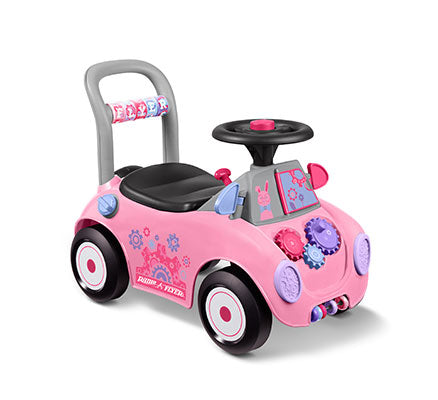
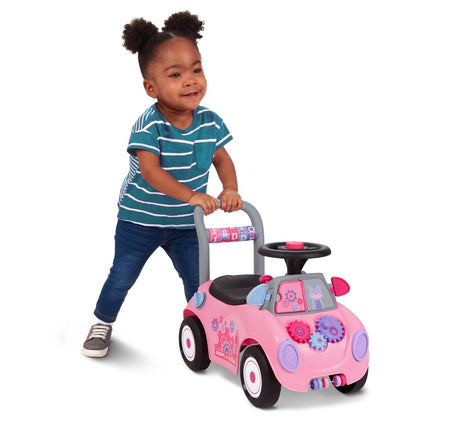
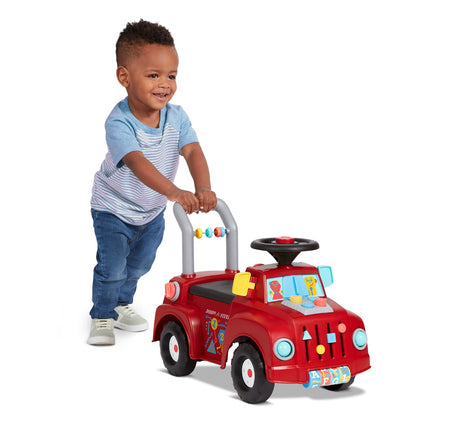
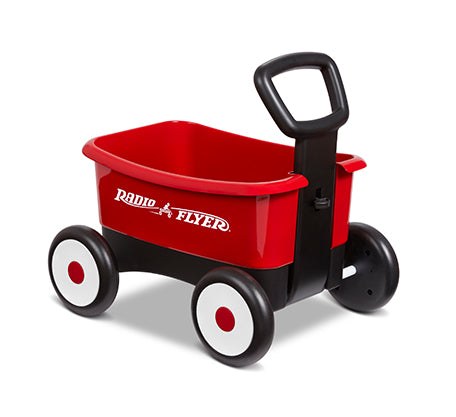
Every step feels like magic when it’s their first. From hallway parades to living room laps, a baby push walker helps tiny feet discover their power. These aren’t just push toys: they’re confidence boosters, memory makers, and joyful invitations to move.

View as

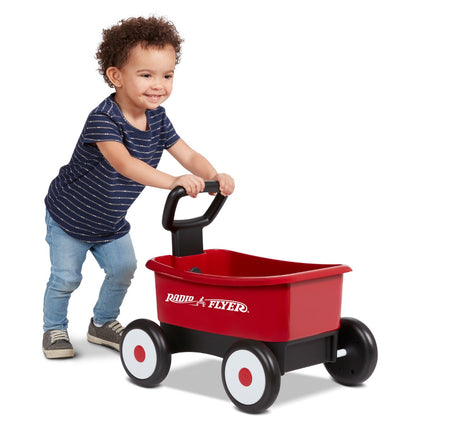
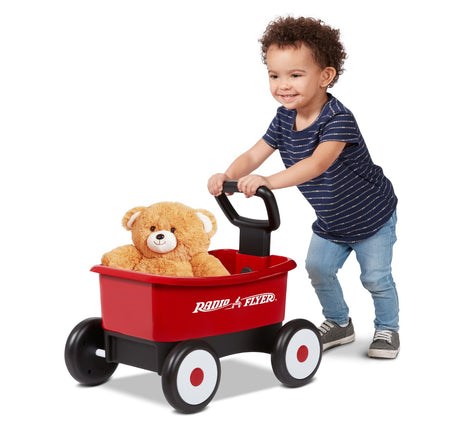
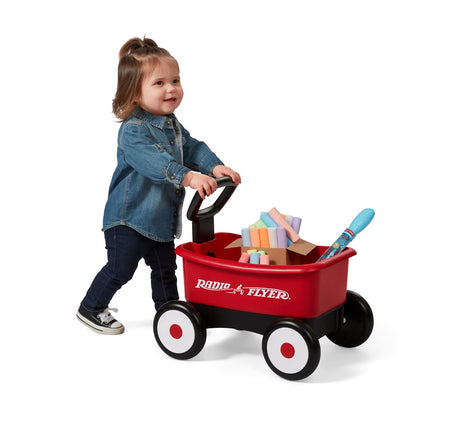
Child pushing a Radio Flyer walker wagon on the sidewalk.

Encouraging Big Steps for Little Explorers

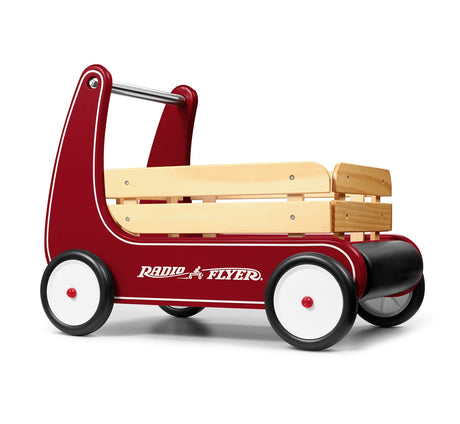
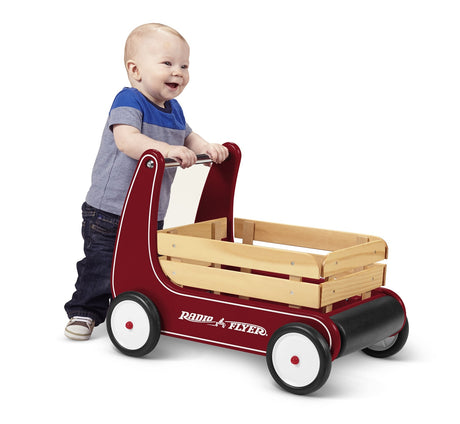
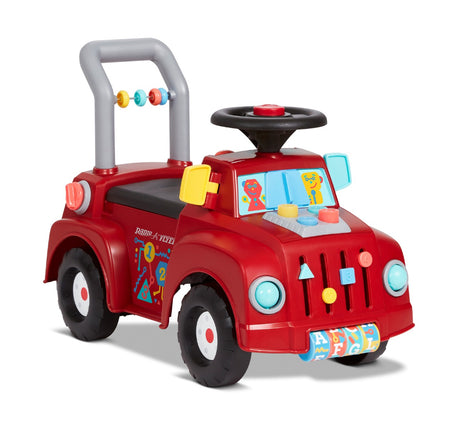
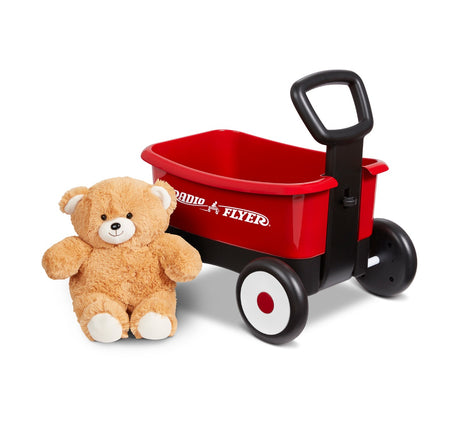
Our baby push walker toys are designed to support every early stumble and stride. These aren’t just products, they’re tools for confidence, strength, and independence. Whether it’s a classic wagon-style walker or a mobile activity center, each one helps toddlers turn small steps into big wins. From early standing to proud parades around the kitchen, baby walker toys make the journey playful and safe. You'll also find features that grow with your child, like toy storage or sensory panels, so the fun lasts long after those first few steps. For kids who love motion, our collection of push toys for toddlers adds a spark of joy to every new milestone. Many parents also choose to pair their walker with a favorite ride-on toy, helping little ones transition from supported movement to independent motion.

Designed for Balance, Built for Wonder

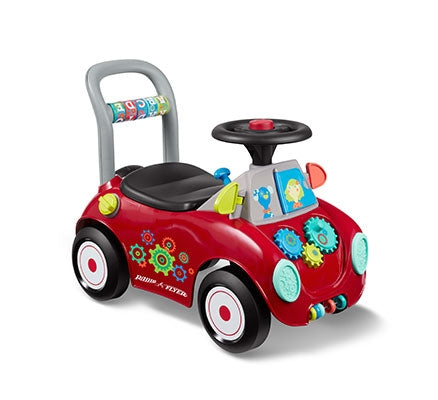
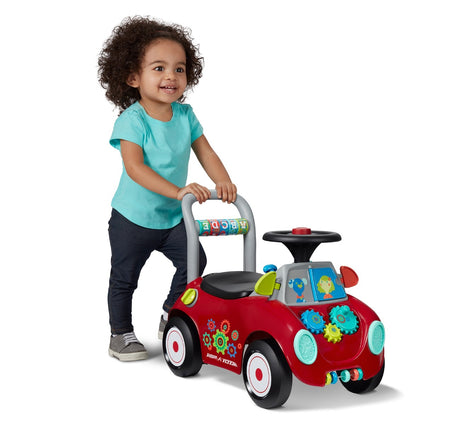
Every activity walker is crafted with both play and practicality in mind. A wide, stable base supports early movement, while soft-grip wheels help little ones move safely on a variety of indoor surfaces. Montessori-inspired details like spinning blocks, shape sorters, and textured panels engage curiosity and support fine motor skills along the way. These push walker toys aren’t just beautiful, they’re built to help your child grow with confidence, creativity, and joy. As their balance improves, many toddlers move on to foot-to-floor toys or even early-stage balance bikes, continuing their journey toward independence on wheels.

Frequently Asked Questions About Push Walker Toys

What is a push walker, and how does it help babies learn to walk?

A push walker is a supportive toy that babies hold and push as they develop balance and coordination. Unlike seated walkers, a baby push walker allows your child to move naturally while building strength and confidence.

Are push walkers better than traditional baby walkers?

Yes. Pediatricians often recommend push walker toys because they encourage safe, upright movement. Traditional baby walkers can restrict natural muscle development and increase fall risk, while push walkers promote healthier mobility patterns.

What’s the difference between a push walker and an activity walker?

A push walker focuses on walking support, while an activity walker includes interactive features like spinning toys or musical buttons. Some of our baby walker toys combine both, giving your child movement plus playtime in one smart design.

What age is appropriate for a push walker?

Most babies are ready for a push walker between 9 to 12 months, once they can stand with support and show interest in walking. Always supervise use and check product age guidelines for best results.

How do I know if my baby is ready to use a walker toy?

Look for signs like pulling up to stand, cruising along furniture, or reaching out while standing. These signals mean your child may benefit from a baby push walker to safely practice independent walking.

Are walker toys safe to use on carpet or hardwood?

Yes. Our push toys for toddlers are designed for indoor surfaces like hardwood, tile, and low-pile carpet. Many feature rubber-lined or slow-roll wheels for better grip and controlled movement on various floors.

What safety features should I look for in a push walker?

Choose a walker with a wide base, sturdy build, and smooth wheels with traction. Look for comfortable handle height and avoid models with small parts. All activity walker toys should be used with adult supervision on flat, safe surfaces.

Do push walkers really help babies walk sooner?

They don’t speed up development, but they do provide the right support for safe, skill-building play. A push walker helps babies develop balance, coordination, and confidence — all at their own pace.